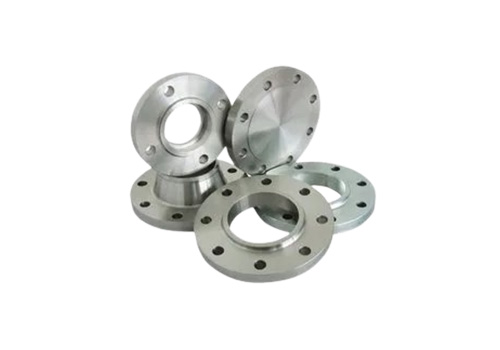
Choosing the right flange is important for getting a secure and properly aligned pipe connection. Problems often occur when a flange is selected based on appearance or pipe size without checking its dimensions and drilling pattern. This is particularly important with Table E flanges, which follow a different standard from ANSI and PN flanges.
Table E flanges are commonly used in industrial piping systems, particularly in Australia and New Zealand. Understanding their specifications, applications, and differences from other flange types helps buyers select the right product for their requirements.
Table E flanges are covered by AS 2129, an Australian standard for flanges used with pipes, valves, and fittings. The standard includes different flange tables, such as D, E, F, H, J, and K, each with its own dimensions and pressure requirements.
These flanges are also found in older industrial installations designed around BS 10, an earlier British standard with a similar table-based system.
Table E flanges are generally associated with a nominal pressure rating of around 1400 kPa at ambient temperature. They are thicker than Table D flanges in comparable sizes, making them suitable for a range of general industrial applications. The allowable pressure depends on the applicable standard, material, and operating conditions.
Table E flange specifications include the outside diameter, pitch circle diameter (PCD), bolt hole size, and number of bolt holes. These dimensions determine whether the flange will fit correctly with the connecting component.
Here are some example dimensions for common sizes:
| Nominal Size | Outside Diameter (mm) | PCD (mm) | Bolt Holes |
|---|---|---|---|
| 25 NB (1") | 115 | 83 | 4 × 14 mm |
| 50 NB (2") | 150 | 114 | 4 × 18 mm |
| 100 NB (4") | 215 | 178 | 8 × 18 mm |
| 150 NB (6") | 280 | 235 | 8 × 22 mm |
| 200 NB (8") | 335 | 292 | 8 × 22 mm |
Other specifications to consider include:
These dimensions should be treated as examples and verified against the applicable standard and supplier's drawings before ordering.
Table E flanges can be supplied in different forms to suit specific piping requirements.
The right type depends on the operating pressure, mechanical loads, installation requirements, and project specifications.
Table E flanges are commonly found in systems where AS 2129 or compatible legacy specifications are required.
Typical applications include:
Replacement work is particularly important because an existing flange must match the dimensions and drilling pattern of the new component. Even a small difference can create alignment problems during installation.
Suitable for general industrial use: Their defined dimensions and pressure requirements make them useful for compatible piping applications.
Established dimensional standards: The standard provides clear requirements for flange dimensions and bolt arrangements, helping buyers specify the correct product.
Convenient for replacement work: Matching an existing Table E flange can simplify maintenance and reduce the need for piping modifications.
Different flange designs: Plate, weld neck, blind, and other suitable forms provide options for different connection requirements.
Cost-effective material options: Mild steel is generally economical and easy to weld when the application and installation procedure permit its use.
Easy access for maintenance: Bolted flange connections can be disconnected for inspection, equipment servicing, or replacement.
Understanding the differences between flange standards is essential when selecting a replacement or specifying a new connection.
Table E flanges are generally thicker than comparable Table D flanges. Some smaller sizes may share similar drilling dimensions, but this should never be assumed for every size. Differences in thickness, pressure requirements, and bolt arrangements can affect compatibility.
ANSI is often used informally when referring to ASME B16.5 flange dimensions and pressure classes. However, Table E and ASME B16.5 belong to different dimensional systems. Similar-looking flanges may have different bolt patterns, thicknesses, and facing details.
PN designations are used in several European and international flange standards. Their dimensions and drilling arrangements may differ from those of Table E flanges.
The safest approach is to verify the applicable standard, nominal size, facing, and bolt pattern before connecting two flanges. Never assume that different standards are interchangeable.
Before placing an order, check the following details:
Mild steel can rust when exposed to moisture and aggressive environments. Selecting suitable protection at the purchasing stage can help reduce maintenance requirements and extend service life.
Correct installation helps prevent leakage and alignment problems.
Following the approved installation procedure is important for maintaining a reliable joint.
Kolkata Pipe Fittings has been in the pipe fittings business since 1994, supplying flanges, MS pipes, elbows, tees, reducers, valves, and fasteners.
The company has its head office in Bhosari, Pune, a factory in Howrah, and a branch in Indore. Its locations support customers in Pune, Talegaon, Sanaswadi, and other parts of Maharashtra.
When comparing suppliers, check whether they can provide flanges that match your required standard, size, material, and design. It is also worth confirming the available stock, quality checks, finish options, and expected delivery time.
Purchasing flanges, pipes, fittings, and valves from one supplier can also simplify procurement for contractors and industrial maintenance teams.
Table E flanges are used in piping systems that require specific dimensions and drilling arrangements under AS 2129 or compatible legacy specifications. Their suitability depends on the pressure rating, material, flange design, and operating environment.
Before ordering, verify the standard, nominal size, bolt pattern, facing, and material grade. Taking these steps helps avoid compatibility issues and ensures the selected flange meets the requirements of your piping system.