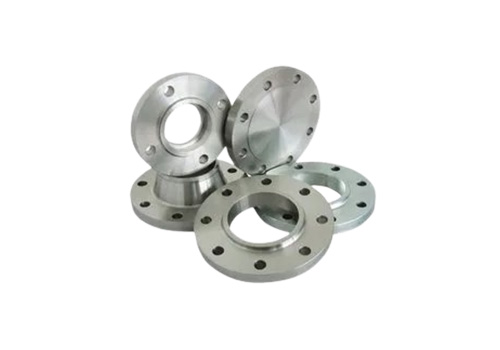
Choosing Table E flanges requires a little more attention than selecting a standard flange. These flanges follow specific dimensional requirements, and a product that looks correct may still have a different bolt pattern or thickness. This can create problems during installation, particularly when replacing flanges in an existing piping system.
Before placing an order, it is important to check the applicable standard, flange dimensions, pressure requirements, and material. Here is a practical guide to help you make the right choice.
Start by checking the standard mentioned in the engineering drawing. Table E usually refers to AS 2129, the Australian standard for flanges used with pipes, valves, and fittings. Older drawings may refer to BS 10, an earlier British standard.
Before ordering, confirm these three details:
If the drawing does not provide enough information, clarify the requirements with the designer or engineer. This simple step can prevent ordering errors and installation delays.
Table E flanges are often purchased for maintenance and replacement work. If you need to match an existing flange, measure it carefully before placing an order.
The main dimensions to check are:
Here are some example dimensions for common Table E flange sizes:
| Nominal Size | OD (mm) | PCD (mm) | Bolt Holes |
|---|---|---|---|
| 25 NB | 115 | 83 | 4 × 14 mm |
| 50 NB | 150 | 114 | 4 × 18 mm |
| 100 NB | 215 | 178 | 8 × 18 mm |
| 150 NB | 280 | 235 | 8 × 22 mm |
| 200 NB | 335 | 292 | 8 × 22 mm |
These figures should be verified against the applicable standard before use.
Table D and Table E may share some dimensions in certain sizes, but their thicknesses, bolt arrangements, and other details can differ. Do not identify a flange by drilling alone. Check the complete dimensions and any markings on the flange before ordering a replacement.
After confirming the standard and table, make sure the flange suits the pipe and connecting equipment.
Avoid mixing different flange standards without engineering approval. Table E, ASME B16.5, and PN flanges follow different dimensional systems. Even when two flanges appear similar, their bolt holes and facing dimensions may not match.
Table E flanges are commonly associated with a nominal rating of around 1400 kPa, or 14 bar, at ambient temperature. However, the permitted operating pressure depends on the applicable standard, material, temperature, and design conditions.
Before selecting a flange:
Table E flanges may suit many general industrial and building service applications. However, high-temperature steam lines, severe cyclic loading, and other demanding services require careful assessment before selecting a flange.
Table E flanges are available in different forms to suit various piping applications.
Plate Flange: This is a simple, economical design that is welded to the pipe. It is commonly used in suitable water, air, and utility piping systems.
Weld Neck Flange: This flange has a tapered hub that is butt-welded to the pipe. Its design helps distribute stress and can make it a better choice for demanding operating conditions.
Blind Flange: A solid flange used to close a pipe opening or isolate part of a piping system. It is useful during maintenance and when provision is needed for future connections.
Boss Flange: This type has a raised boss and may be designed for specific welded or threaded connections, depending on the application.
The right option depends on the operating conditions, installation requirements, and project specifications. A plate flange may be suitable for general utility lines, while more demanding applications may require a weld neck design.
Table E flanges are generally supplied with flat faces, so gasket selection and compatibility with the mating flange are important.
Keep these points in mind:
The gasket and bolting should be included in the joint specification. Choosing them correctly helps reduce the risk of leakage and damage during installation.
Mild steel is commonly used for Table E flanges because it is economical, easy to machine, and generally weldable with suitable procedures. It can be a practical choice for many industrial applications.
However, mild steel can rust when exposed to moisture or corrosive substances. Consider the installation environment before finalising the material and finish.
For highly corrosive environments, stainless steel or another suitable corrosion-resistant material may be a better option.
Several common mistakes can cause problems when ordering Table E flanges.
A purchase checklist covering the standard, table, size, flange form, material, facing, and gasket can help prevent most of these issues.
Kolkata Pipe Fittings has been in the pipe fittings business since 1994, supplying flanges, MS pipes, elbows, tees, reducers, valves, and fasteners.
The company has its head office in Bhosari, Pune, a factory in Howrah, and a branch in Indore. Its locations support customers in Pune, Talegaon, Sanaswadi, and other parts of Maharashtra.
When comparing suppliers, check whether they can provide flanges that match your drawing and applicable standard. It is also useful to confirm the available sizes, flange forms, material grades, finish options, quality checks, and delivery schedules.
Sourcing flanges, pipes, fittings, and valves from one supplier can simplify purchasing and coordination for contractors and industrial maintenance teams.
Choosing the right Table E flange starts with confirming the standard and checking the required dimensions. From there, match the flange to the pipe, verify the pressure and temperature requirements, select the appropriate design, and consider the gasket and installation environment.
Taking time to check these details before ordering can help prevent compatibility problems, reduce installation delays, and ensure the flange meets the requirements of your piping system.