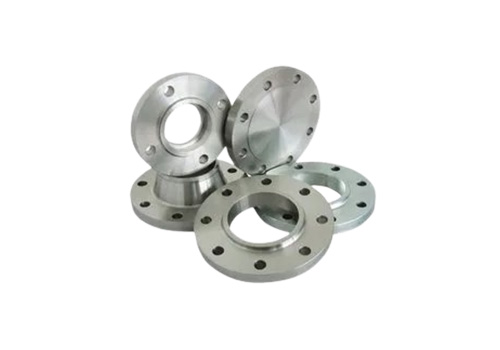
MS slip-on flanges are popular because they are easy to fit, simple to align, and generally more affordable than weld neck flanges. However, choosing one without checking the specifications can lead to problems during installation. The facing might not match the valve, the pressure rating may be insufficient, or the flange may not be suitable for the operating conditions.
A few checks before placing an order can help prevent these issues. Here is what to consider when selecting MS slip-on flanges for your piping system.
The first step is to check whether a slip-on flange suits your application.
These flanges are commonly used in low- and medium-pressure piping systems where installation time and cost are important. Their design makes alignment easier, and welding is generally straightforward. They are often found in water supply lines, compressed air systems, and general industrial piping.
However, they may not be the best choice for demanding applications. Slip-on flanges use fillet welds, making them less suitable than weld neck flanges for severe cyclic loading and certain high-stress conditions.
For steady operating conditions and moderate pressure requirements, a slip-on flange can be a practical option. For high-pressure service, significant vibration, or frequent temperature changes, consult the piping design before selecting the flange type.
Once you confirm that a slip-on flange is suitable, the next step is to match it to the pipe.
Confirming these details before ordering helps avoid fitting problems and unnecessary delays during installation.
Pressure class is one of the most important factors when selecting a flange. Common ASME pressure classes include 150, 300, 600, 900, 1500, and 2500.
A higher class generally indicates a flange designed for more demanding pressure conditions. However, the allowable pressure depends on the material and operating temperature. As temperature increases, the permitted pressure may decrease.
Before choosing a class, consider the following:
Slip-on flanges are commonly used in lower pressure classes. If your application requires a higher rating or involves demanding operating conditions, compare other flange designs before making a decision.
The flange facing is the surface that makes contact with the gasket. Choosing the wrong facing can affect sealing and cause leakage.
Raised Face (RF): This is a common choice for industrial piping. The raised sealing surface helps apply pressure to the gasket and is suitable for many standard applications.
Flat Face (FF): A flat face flange has a level sealing surface. It is generally used with compatible flat-faced equipment to avoid uneven loading during bolt tightening.
Ring Type Joint (RTJ): This design has a groove that accommodates a metal ring gasket. It is used in suitable applications requiring a ring-type sealing arrangement, including some high-pressure services.
Always check that the two mating flanges have compatible facings and that the gasket suits the fluid, pressure, and temperature. Never assume that different facing types can be joined without checking the design requirements.
Slip-on flanges are available in different designs, including hubbed and plate-style versions.
A hubbed slip-on flange has a short raised section around the pipe connection. This provides additional stiffness compared with a plain plate design.
A plate flange is made from a flat plate with a central opening and bolt holes. Its simple construction makes it an economical option for applications where the design requirements permit its use.
Both designs can be suitable for particular piping systems. The right choice depends on the pressure, mechanical loads, applicable standard, and project specifications. Check the engineering drawing before placing an order.
Material selection depends on the operating conditions and the requirements of the piping system.
Two commonly specified forged carbon steel flange materials are:
The allowable temperature range depends on the specific material grade, pressure rating, and applicable design requirements. Avoid relying on a single temperature range for every mild steel flange.
You should also confirm the applicable manufacturing standard:
The correct standard ensures that dimensions, bolt patterns, and other requirements match the piping design.
The surroundings can influence how long a flange lasts. Mild steel is susceptible to rust, particularly when exposed to moisture, salt, or corrosive substances.
Keep these conditions in mind:
Depending on the application, galvanizing, suitable protective coatings, stainless steel, or other corrosion-resistant materials may be appropriate. Making this decision before installation can help reduce maintenance costs.
A few common mistakes can create problems during installation and operation.
Before approving a purchase, check the pipe size, schedule, pressure class, facing, material grade, and applicable standard. This simple step helps reduce the risk of ordering the wrong product.
Kolkata Pipe Fittings has been in the pipe fittings business since 1994. The company supplies mild steel flanges, MS pipes, elbows, tees, reducers, valves, and fasteners for different industrial requirements.
Its head office is in Bhosari, Pune, with a factory in Howrah and a branch in Indore. This network supports customers in Pune, Talegaon, Sanaswadi, and other parts of Maharashtra.
When choosing a supplier, check the availability of different sizes, facings, pressure classes, and material grades. It is also worth asking about applicable standards, quality checks, stock availability, and delivery schedules.
Sourcing pipes, flanges, fittings, and valves from one supplier can make purchasing and order coordination easier for contractors and industrial maintenance teams.
Choosing the right MS slip-on flange starts with understanding the requirements of your piping system. Check whether the design suits the application, match the flange to the pipe, and confirm the pressure class, facing, material grade, and standard.
Also consider the surrounding environment and the need for corrosion protection. These checks help you select a suitable flange, avoid common ordering mistakes, and ensure a more reliable piping connection.
**Table E Flanges**