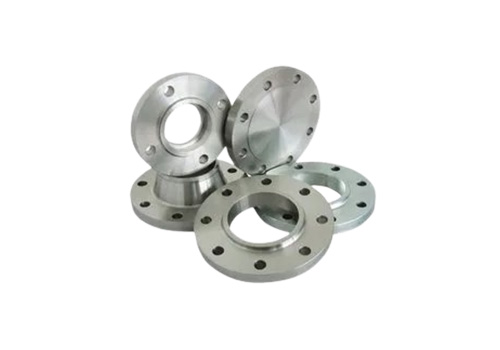
Most flange problems start at the ordering stage, when a flange is chosen by size and price alone. The bolt holes may not line up with the valve, the pressure class may be too low, or the facing may not suit the gasket. By the time anyone notices, the material is already on site and the schedule has slipped.
A few checks before ordering can prevent these issues. This guide covers the main decisions to help you choose a flange that fits the pipe, pressure, and application.
A flange joint must hold pressure, keep the gasket in place, and prevent leaks. If it fails, the cost can include shutdowns, cleanup, and rework—not just a replacement flange.
Mild steel flanges are popular because they are affordable, easy to weld, and available in many sizes and pressure ratings. However, “mild steel” alone is not a complete specification. Size, class, facing, grade, and standard all need to be confirmed.
Start with the pipe, because the flange must fit it correctly.
Also confirm that the flange matches the valve, pump, or vessel nozzle it will connect to. The mating flanges must have compatible dimensions and faces.
Pressure class is one of the most important flange ratings. Common classes include 150, 300, 600, 900, 1500, and 2500. Higher classes generally have heavier construction and are designed for more demanding conditions, but the allowable pressure depends on the material and temperature.
Lower classes may suit many water, air, and utility lines. Steam, oil and gas, and process lines need careful checks against the applicable standard and project requirements.
Two common forged carbon steel flange materials are:
The suitable temperature range depends on the exact grade, pressure, and applicable code, so do not rely on one general temperature range for every flange.
Mild steel can rust in damp, salty, or corrosive environments. Depending on the conditions, use suitable galvanizing or coating, or consider stainless steel or another corrosion-resistant material. Addressing corrosion before installation is usually cheaper than replacing damaged joints later.
The facing is the surface where the gasket sits. An unsuitable combination of facing and gasket can cause leakage even when the bolts are tightened correctly.
The two flange faces must be compatible, and the gasket must suit the facing, fluid, pressure, and temperature.
Standards define dimensions and other requirements so components from different suppliers can fit together. Common references include:
The engineering drawing or project specification should identify the applicable standard. If it does not, check with the designer. Flanges that look alike may have different thicknesses or bolt-circle dimensions.
The same flange will not suit every piping job. Consider the fluid, temperature, location, and maintenance needs.
Common selection errors include:
A purchase checklist covering size, schedule, class, facing, grade, standard, gasket, and bolting can catch many problems before the order is placed.
Kolkata Pipe Fittings has been in the pipe fittings business since 1994. Its range includes mild steel flanges, MS pipes, elbows, tees, reducers, valves, and fasteners. The company has its head office in Bhosari, Pune, a factory in Howrah, and a branch in Indore, serving buyers in Pune, Talegaon, Sanaswadi, and other parts of Maharashtra.
When comparing suppliers, check:
Buying flanges, pipes, fittings, and valves from one supplier can simplify ordering and follow-up for contractors and plant teams.
Choosing the right mild steel flange means matching it to the pipe, selecting the correct pressure class and grade, confirming the facing, and following the required standard. The application and risk of corrosion also matter. Checking these details before ordering helps avoid delays and unsuitable components.
If you are looking for reliable Mild Steel Flanges Manufacturers in Pune, choose a supplier who asks about pressure, temperature, and application—not just price. Careful selection helps keep piping systems safe, reliable, and easier to maintain.
**MS Slip-On Flanges**