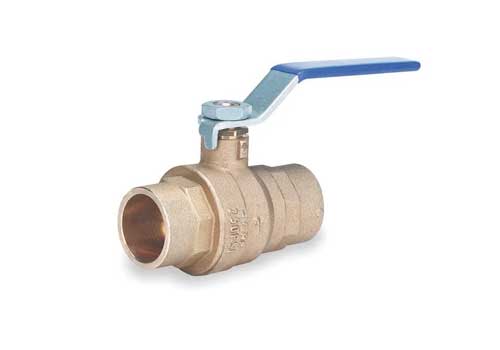
In industrial operations, valves play a critical role in maintaining efficiency, process safety, and uninterrupted production. Whether managing water, chemicals, oil, gas, steam, or specialized industrial fluids, even a minor valve malfunction can lead to downtime, increased maintenance costs, and operational risk.
At Kolkata Pipe Fitting Pvt. Ltd., our experience as industrial valves manufacturers, suppliers, and exporters has shown that customers today are not only looking for durable products but also for long-term performance, lower maintenance requirements, and technically informed solutions. Understanding common valve problems and their practical solutions helps industries improve productivity while reducing unexpected failures.
Industrial valves regulate pressure, control flow, isolate systems, and protect process equipment. As industrial automation and process optimization continue to evolve globally, industries are increasingly focusing on smarter valve selection, predictive maintenance, and lifecycle cost reduction.
However, achieving these outcomes requires addressing common valve-related issues effectively.
Leakage remains one of the most common industrial valve failures. Internal leakage occurs when the valve fails to fully isolate flow, while external leakage happens due to damaged seals, gaskets, or packing.
Preventive inspection schedules and proper valve selection significantly reduce leakage incidents. Industries should adopt industrial valve maintenance best practices that include periodic seal inspection, tightening procedures, and pressure testing.
Selecting the correct seat material based on media characteristics and operating temperature also increases service life.
Industrial environments frequently expose valves to aggressive chemicals, moisture, temperature fluctuations, and abrasive materials.
One of the most effective methods to prevent corrosion is using an industrial valve material compatibility chart during the selection phase.
When evaluating stainless steel vs carbon steel valves, industries should consider:
Advanced coatings and engineered alloys are becoming increasingly popular across Indian and international markets for extending valve lifecycle.
Industrial valves operating under high-pressure environments often experience structural fatigue, seal failure, and reduced reliability.
Partnering with experienced high pressure industrial valve manufacturers ensures valves are engineered for demanding operating conditions.
Industries should:
Current market demand increasingly favors forged steel and advanced alloy valves for critical pressure applications.
Automation has transformed valve operations, but actuator failure can disrupt entire production lines.
Proper actuator sizing for industrial valves is essential to achieve reliable opening and closing cycles.
When evaluating manual vs automated industrial valve systems, businesses should consider:
Smart actuators integrated with IoT monitoring are emerging as a major global trend, enabling predictive maintenance and reducing unexpected shutdowns.
Cavitation occurs when vapour bubbles form and collapse inside valves, damaging internal components.
Solutions include:
Today, advanced control valves with digital monitoring capabilities are becoming increasingly preferred in sectors such as oil & gas, chemicals, and power generation.
Even premium-quality valves can fail prematurely due to incorrect installation practices.
Following a detailed industrial valve installation and commissioning guide ensures reliable operation from day one.
Installation teams should:
Proper commissioning significantly improves operational lifespan and reduces emergency maintenance.
Unplanned failures lead to production loss and increased repair expenditure.
Developing an industrial valve failure analysis report after each major incident helps identify root causes and improve future reliability.
Additionally, industries are increasingly adopting industrial valve repair and refurbishment services as a cost-effective alternative to full replacement, particularly for large-scale infrastructure projects.
The industrial valve market in India and globally is undergoing rapid modernization.
Key Trends Shaping the Industry
India is witnessing increased demand from sectors such as water treatment, pharmaceuticals, chemicals, infrastructure, and renewable energy. Globally, sustainability goals and industrial automation continue driving next-generation valve adoption.
Another major focus area is compliance with safety standards for hazardous media valves, especially in chemical processing and high-risk industrial environments.
Industrial valve performance directly influences operational safety, productivity, and long-term cost efficiency. Addressing common issues proactively through proper material selection, preventive maintenance, advanced automation, and correct installation practices helps industries maintain uninterrupted operations.
At Kolkata Pipe Fitting Pvt. Ltd., we believe that delivering dependable flow control solutions goes beyond supplying products—it involves helping customers make informed decisions that improve performance, reduce downtime, and support sustainable industrial growth.